

Requiring planning Permission and Regulations for Steel Buildings? Understand how size, use, and location affect the need for approval and adhere to UK construction norms.
Do You Need Planning Permission for a Steel Building?
Steel buildings often require planning permission, depending on their size, use, and location. In general, if the structure is to be used for residential, commercial, or industrial purposes, permission is usually needed. However, if it is a temporary or agricultural structure, different rules may apply.
For domestic properties, outbuildings such as garages or storage units may not need permission if they meet certain conditions, including height and location restrictions.
Commercial or industrial steel buildings usually require approval, particularly if they significantly alter land use or impact the local environment. Checking with the local planning authority is essential to ensure compliance before construction begins.
Understanding Building Regulations for Steel Structures
Building regulations ensure that steel structures meet safety, durability, and efficiency standards. Unlike planning permission, which deals with the structure’s impact on the surroundings, building regulations focus on design, strength, fire resistance, insulation, and accessibility.
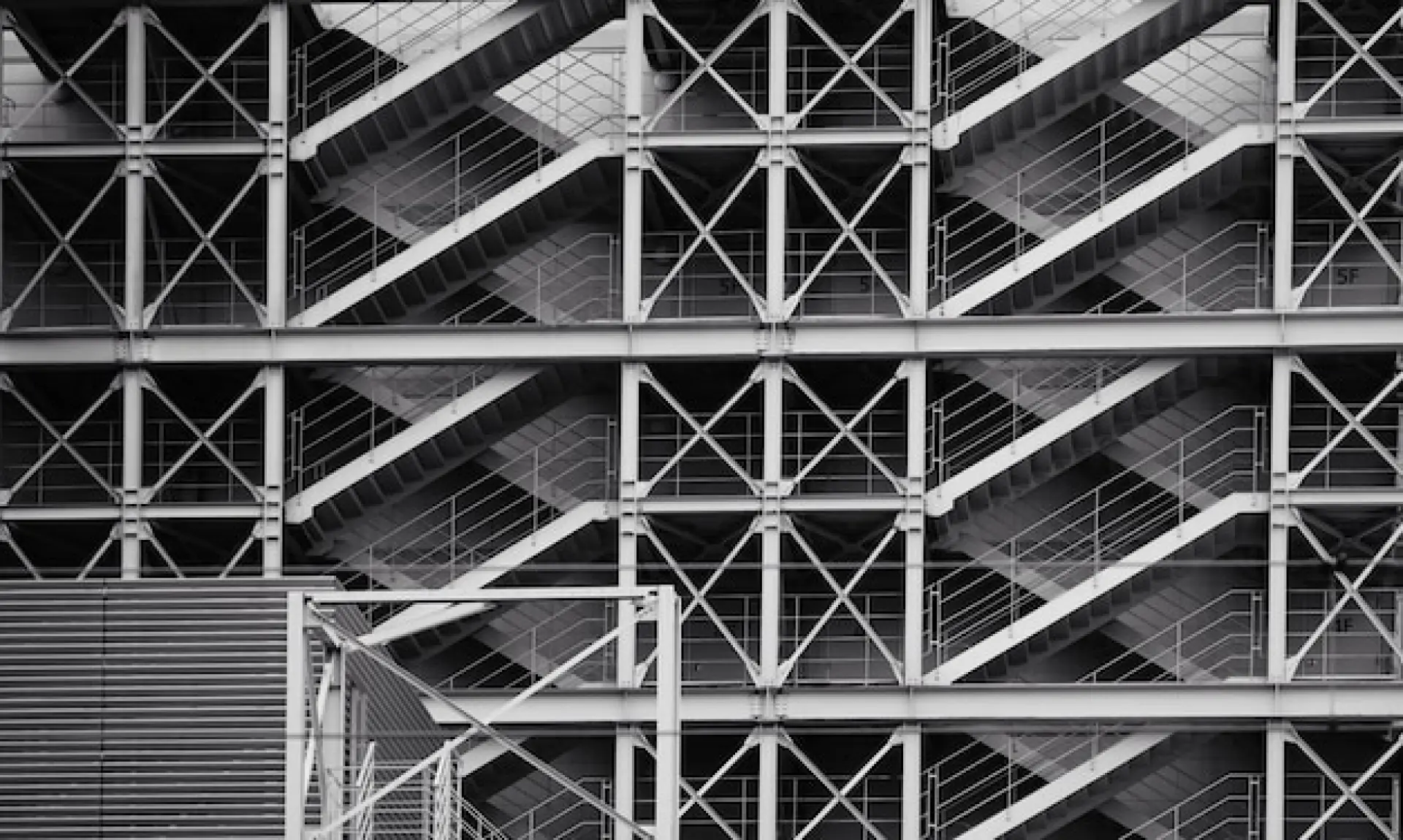
All permanent steel buildings must comply with building regulations, covering aspects like structural integrity, foundations, and environmental impact.
Even smaller buildings may need approval if they are intended for public use or contain electrical and plumbing systems.
Adhering to regulations helps prevent issues related to safety and ensures compliance with national standards, so consulting a professional before starting construction is advisable.
In addition, steel buildings may need to meet energy efficiency standards, particularly if they are used for residential or commercial purposes.
Proper insulation, ventilation, and sustainable construction materials can contribute to compliance while also reducing long-term operational costs. Understanding these requirements from the outset can help avoid delays and additional expenses.
Key Factors That Affect Planning Approval
Several factors influence whether planning permission is granted for a steel building. Location is crucial, as buildings in greenbelt areas, near heritage sites, or within conservation zones face stricter rules. The proposed use of the building also plays a significant role, with agricultural, residential, and industrial structures subject to different regulations.
Height and overall footprint are important considerations, as larger buildings are more likely to require permission. Additionally, concerns such as environmental impact, access to public roads, and the visual effect on surrounding properties can affect approval. Consulting with local authorities and preparing detailed plans can improve the chances of obtaining permission.
Permitted Development Rights for Steel Buildings
Permitted development rights allow certain steel buildings to be constructed without full planning permission. For example, agricultural buildings on farms of at least five hectares may be built under permitted development if they do not exceed specific size and height limits.
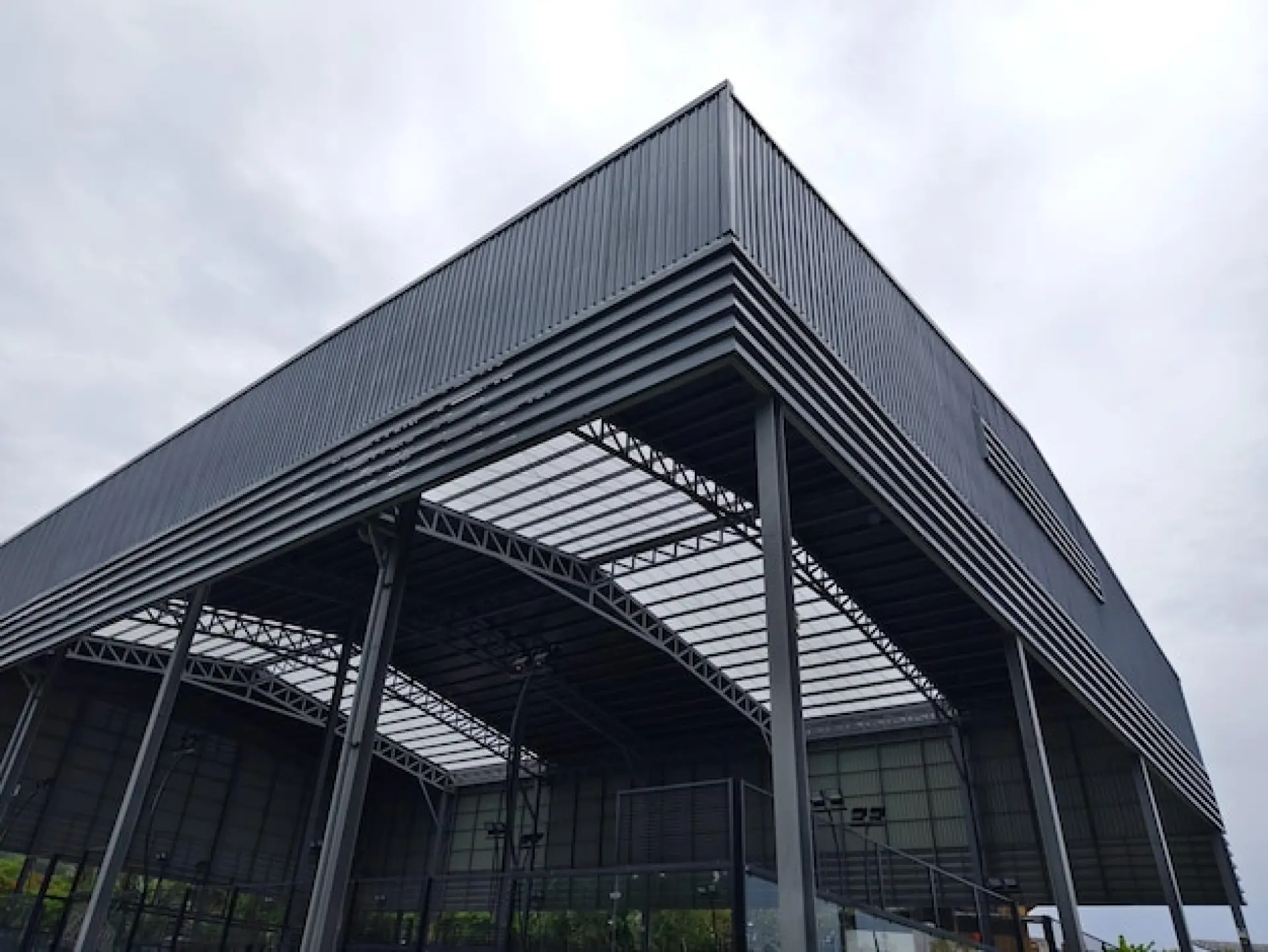
For domestic properties, steel structures such as garages and sheds may fall under permitted development if they are not forward of the main house and remain within height and floor area limits. However, restrictions apply in designated areas such as national parks and conservation zones. Checking local regulations is crucial, as exceeding limits can lead to enforcement action.
It is also important to note that even if a steel building falls under permitted development, it may still require prior approval from the local planning authority. This ensures that aspects such as drainage, environmental impact, and overall appearance are considered before construction begins. Seeking professional advice can help ensure compliance with all necessary regulations.
Height and Size Restrictions for Steel Structures
The height and size of a steel building are major factors in determining whether planning permission is needed. In residential settings, outbuildings must generally not exceed 2.5 metres in height if within two metres of a boundary, or four metres for pitched roofs. Floor areas are also restricted to avoid overpowering existing buildings.
For agricultural or industrial steel buildings, maximum heights vary based on land use and location. Buildings over a certain size, such as 465 square metres for agricultural use, may require full planning permission. Checking with the local planning authority is essential to ensure compliance and avoid delays in construction.
Looking to bring your steel construction project to life? Contact Steel Buildings Essex today for expert design and construction of steel building construction in Essex and London.
Related Articles
How Durable Are Steel Buildings
Types of Steel Buildings and Their Uses