'How Durable Are Steel Buildings'? Discover the strength of steel, with its resistance to moisture, pests, and fire, decreasing long-term costs and increasing stability.
Why Steel is a Reliable Building Material
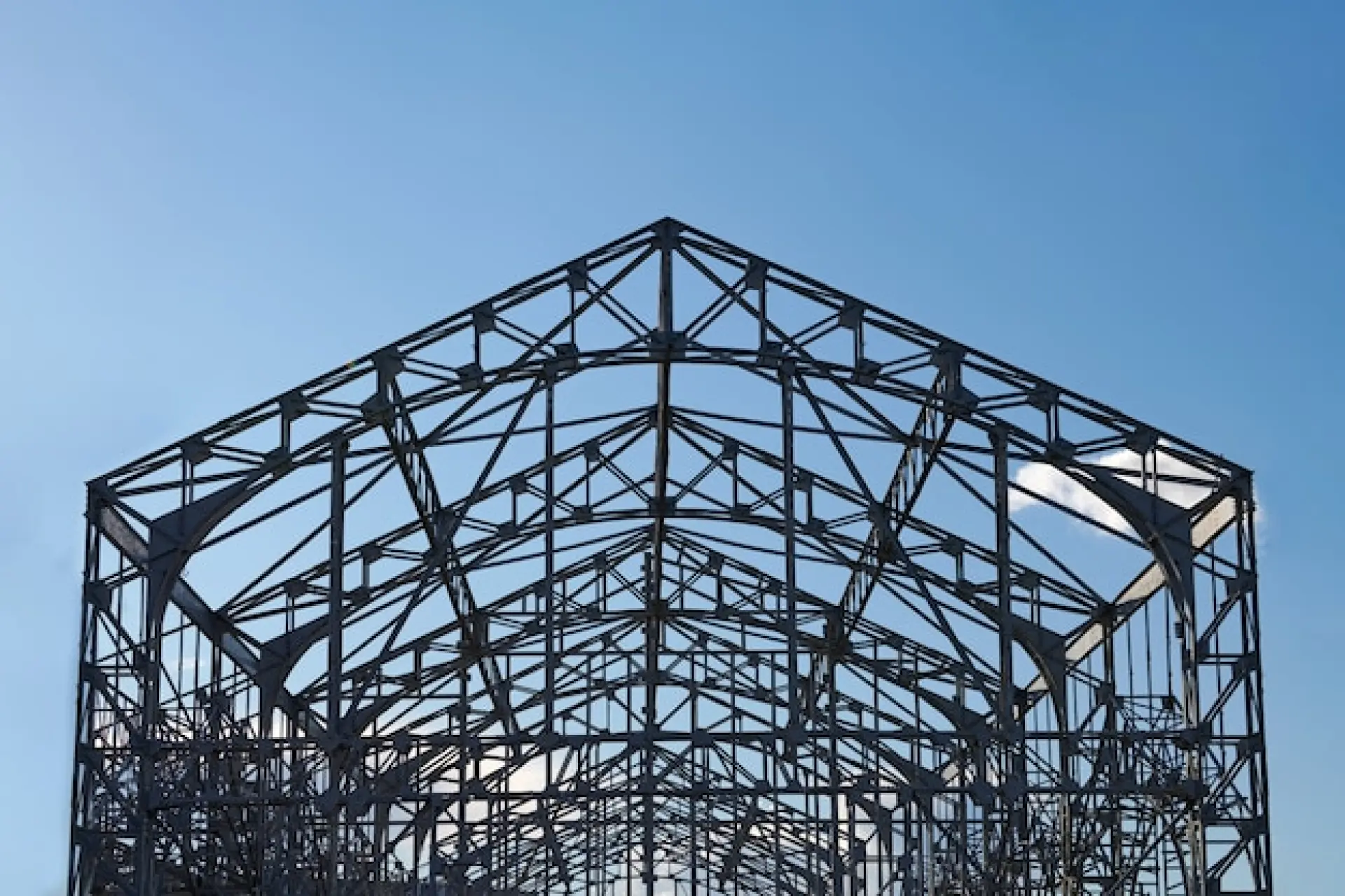
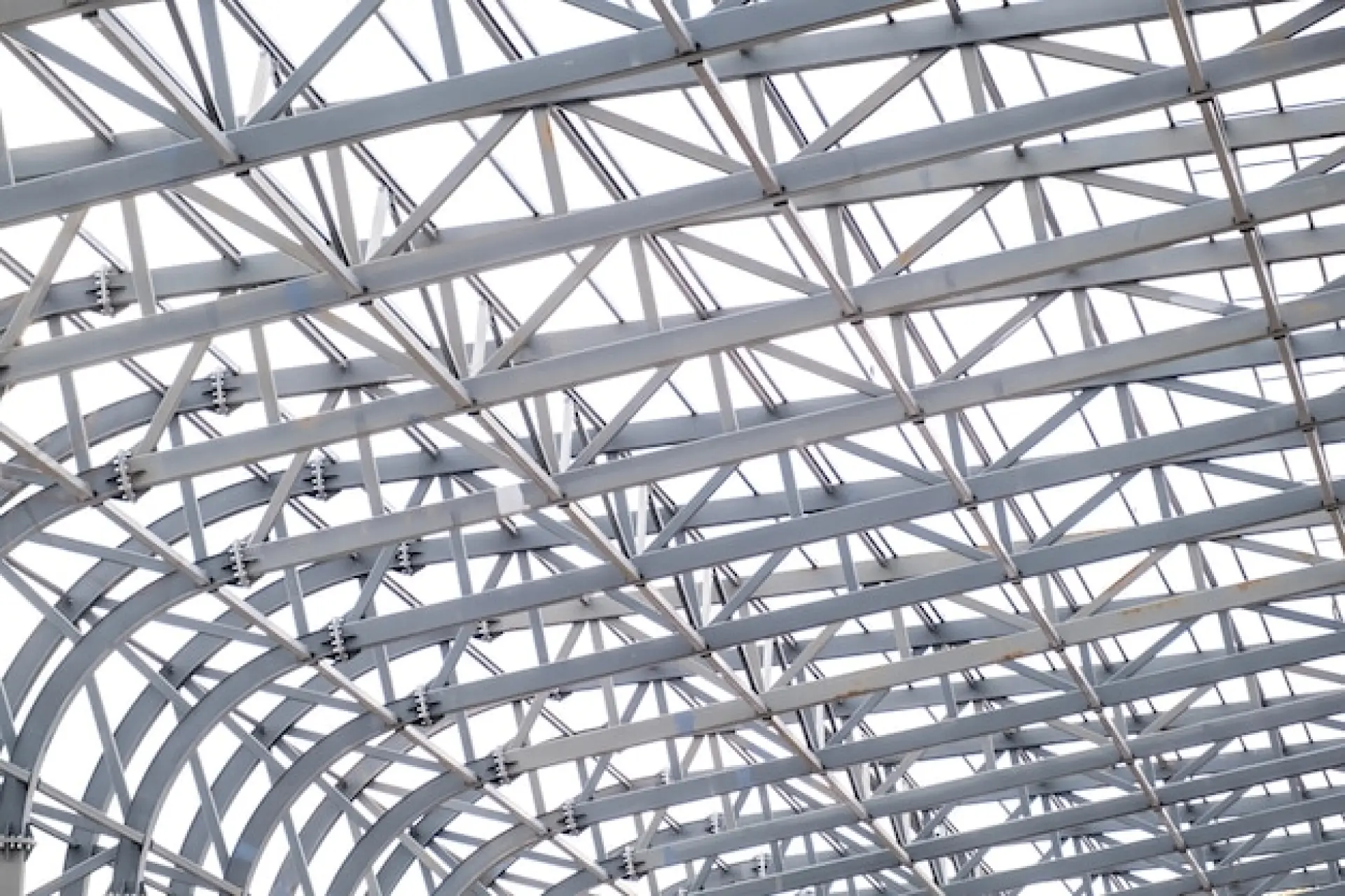
Steel is one of the most durable and dependable building materials available. Its high strength-to-weight ratio makes it capable of supporting heavy loads while maintaining structural integrity. Unlike wood, steel does not warp, crack, or shrink over time, ensuring long-term stability.
Additionally, it is highly resistant to moisture, pests, and fire, reducing the risk of structural damage. Steel is also a sustainable material, as it can be recycled and reused without losing its properties.
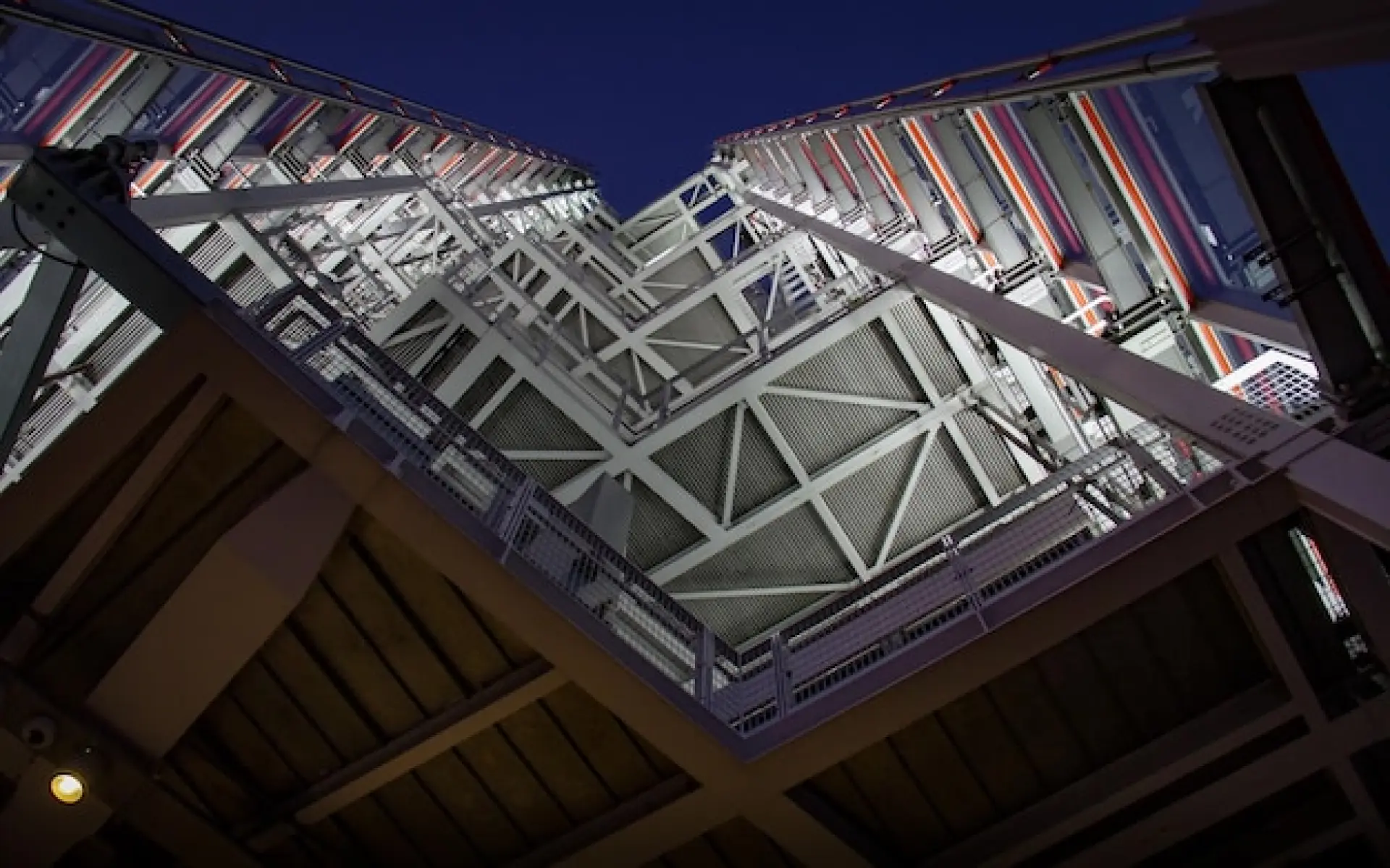
Its precision engineering allows for efficient construction, reducing waste and overall costs. Whether used for warehouses, commercial buildings, or residential homes, steel provides a long-lasting solution that requires minimal maintenance, making it an excellent choice for modern construction.
How Steel Buildings Withstand Harsh Weather Conditions
Steel buildings are designed to endure extreme weather conditions, including high winds, heavy snow, and earthquakes. Their structural integrity allows them to remain stable even under significant pressure, reducing the likelihood of collapse.
In regions prone to hurricanes and tornadoes, steel’s strength helps buildings withstand strong gusts and flying debris. Unlike traditional materials, steel does not absorb moisture, preventing damage caused by heavy rainfall or flooding.
When properly anchored, steel structures also perform well in seismic activity, as their flexibility allows them to absorb and distribute energy efficiently. With appropriate insulation and coatings, steel buildings can also maintain comfortable indoor temperatures, making them suitable for various climates and environments.
Steel buildings can also be engineered with additional reinforcements to improve resilience in harsh conditions.
Features such as reinforced frames, impact-resistant panels, and specialised fastenings help prevent structural damage caused by extreme forces. In areas that experience heavy snowfall, sloped roof designs allow snow to slide off.
Fire Resistance in Steel Structures
Steel is a non-combustible material, making it highly resistant to fire. Unlike wood, which can ignite and spread flames quickly, steel does not burn, reducing the risk of structural damage in the event of a fire. Many steel buildings are designed with fire-resistant coatings, which further enhance their ability to withstand high temperatures.
In commercial and industrial settings, steel structures help to contain fires and prevent them from spreading to other parts of a building. Additionally, steel’s fire resistance contributes to lower insurance costs, as the risk of total structural loss is significantly reduced. While steel can weaken at extremely high temperatures, proper fireproofing measures ensure continued safety and durability.
Protection Against Pests and Rot
One of the key advantages of steel buildings is their resistance to pests and rot. Unlike wood, which is vulnerable to termites, rodents, and insects, steel does not provide a food source for pests.
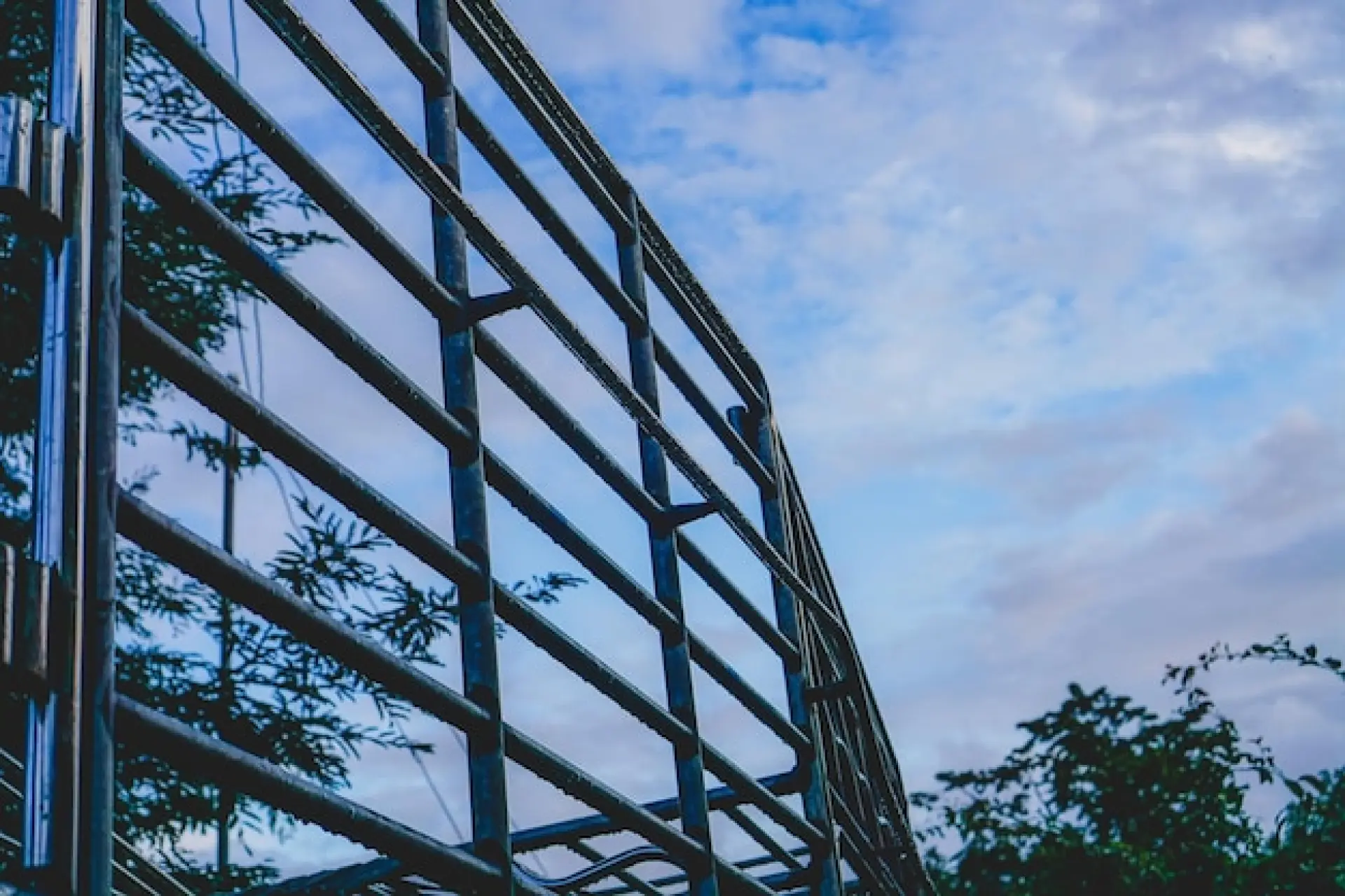
This eliminates the need for frequent pest control treatments, reducing maintenance costs over time. Additionally, steel does not absorb moisture, preventing the growth of mould, mildew, and rot that can weaken traditional structures.
This durability makes steel ideal for agricultural buildings, warehouses, and storage facilities, where protection from infestations is crucial.
By choosing steel construction, property owners benefit from a long-lasting and low-maintenance solution that stands strong against environmental threats.
Steel buildings also provide a cleaner and more hygienic environment, particularly in industries where sanitation is a priority. Food storage facilities, healthcare buildings, and agricultural barns benefit from steel’s ability to resist contamination from pests and bacteria.
With fewer crevices for insects and rodents to nest, steel structures require less intensive cleaning and maintenance.
How Steel Buildings Resist Corrosion and Rust
Modern steel buildings are designed to resist corrosion and rust, ensuring long-term durability. Galvanised steel, which is coated with a layer of zinc, provides a strong defence against moisture and oxidation. Additionally, protective coatings such as paint or powder coatings further enhance steel’s resistance to rust, even in humid or coastal environments.
Stainless steel, which contains chromium, naturally forms a protective oxide layer that prevents corrosion over time. Proper maintenance, including regular inspections and repainting when necessary, helps extend the lifespan of steel structures. With these protective measures in place, steel buildings remain strong, stable, and visually appealing for decades.
Looking to bring your steel construction project to life? Contact Steel Buildings Essex today for expert design and construction of steel building construction in Essex and London.